

RESURGENCE: Using digital tools to support industrial water circularity
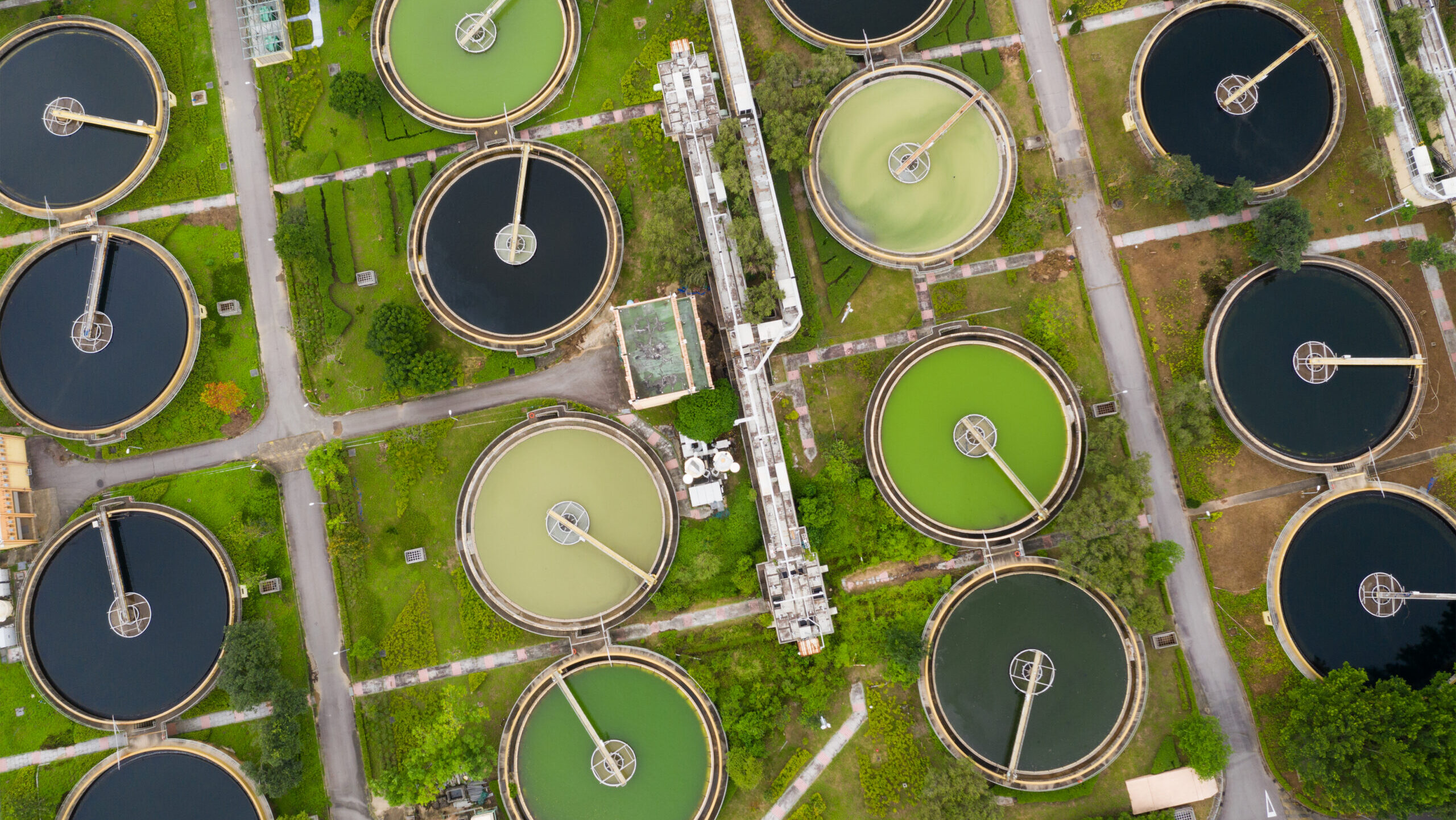
Industrial wastewater treatment is increasingly moving beyond the objective of removing pollutants before discharge. As industries seek to reduce freshwater consumption, energy use and waste generation, treatment systems are also being expected to produce reusable water and recover energy and valuable materials.
Recent research and discussions in the water sector help explain how digitalisation could support this transition. Digital twins create virtual representations of treatment systems using information from sensors, process models and operational data. They can help operators understand changing conditions and identify opportunities to improve treatment performance and resource efficiency. When combined with artificial intelligence, these tools form part of a wider approach described as hybrid intelligence.
These developments provide useful context for understanding the importance of digitalisation in circular water management. Within this broader transition, RESURGENCE is developing its own technologies and digital tools to support more circular and resource-efficient water management across different European industrial sectors.
Digital twins operators can use a virtual model to understand how changes in one process may affect water quality, energy consumption and the performance of the wider system. RESURGENCE addresses industrial water circularity by developing and testing its own treatment, monitoring and resource-recovery solutions. The project works across the pulp and paper, chemical and steel sectors, alongside a case study examining cooperation between urban water treatment and industry. These sectors have different water-quality requirements, production processes and opportunities for water reuse, meaning that circular solutions must be adapted to the conditions of each site.
By bringing treatment, monitoring and resource recovery together, RESURGENCE aims to support industrial water systems in which wastewater is considered not only as a waste stream, but also as a potential source of reusable water, energy and materials. This can contribute to more resource-efficient European industries while supporting wider circular-economy and climate-neutrality objectives.