

Case Study in Poland: Advancing Water Circularity in the Steel Industry
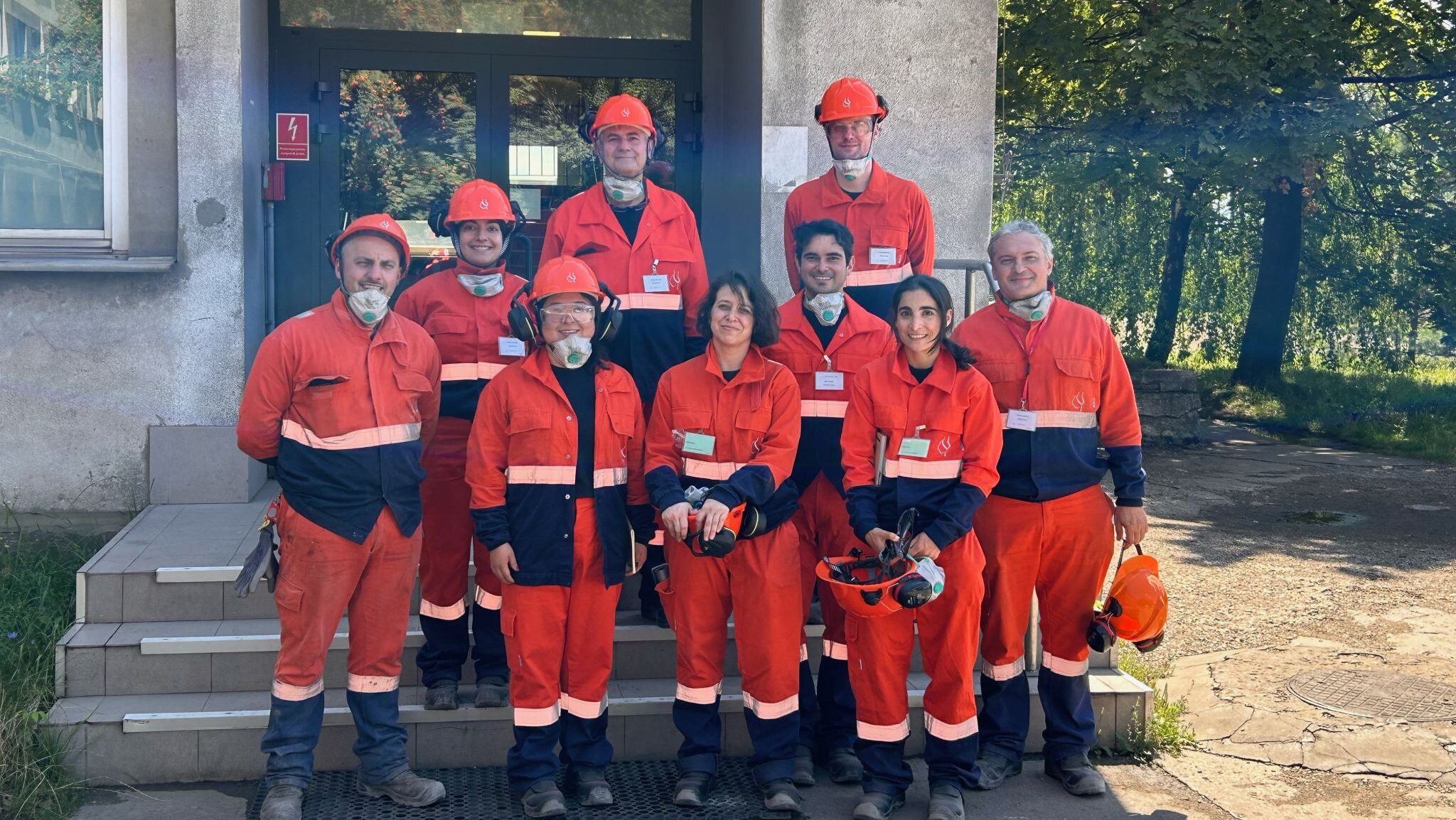
How can steel manufacturers improve water efficiency, maximise water reuse and strengthen industrial sustainability? The RESURGENCE project is exploring these questions through its second case study at CELSA Group’s Huta Ostrowiec steel production facility in Poland, where water circularity indicators are revealing promising results.
As part of the EU-funded RESURGENCE project, partner Strane Innovation, through its brand Newasys, is assessing water circularity across three industrial sites. The analysis examines water entering industrial facilities, circulating within production processes and leaving the sites, providing insights into opportunities for more efficient and circular water management.
Understanding Water Use in Steel Production
CELSA Group’s Huta Ostrowiec facility produces steel from recycled scrap metal, which is melted using electric arc furnaces.
Water plays a crucial role in these energy-intensive processes, particularly for cooling equipment involved in continuous casting and rolling operations. During production, cooling water can become contaminated with iron oxides, mill scale and oils, requiring mechanical treatment before being recirculated within the facility.
Although the site is located in an area classified as having low water stress according to the Water Risk Atlas, the Kamienna River basin is increasingly exposed to hydrological droughts. Poland has experienced recurring drought conditions since 2015, highlighting the importance of improving industrial water management even in regions not traditionally considered highly water-stressed.
Measuring Water Circularity: Key Results
The assessment conducted by Strane Innovation and Newasys highlights progress across three dimensions of water circularity:
- 25% of incoming water comes from rainwater harvesting, reducing reliance on other water sources.
- 84% of internal water flows are reused, demonstrating the importance of recirculation within industrial operations.
- The share of outgoing water flows recovered increased from 1% in 2023 to 44% in 2024, supported by the transfer of hot water to the municipal district heating network.
These indicators illustrate how industrial facilities can improve circularity by combining alternative water sources, internal reuse and resource recovery beyond their operational boundaries.
Connecting Industrial Water Management with Local Resource Recovery
One of the most interesting aspects of the CELSA case study is the connection between industrial operations and the surrounding community.
By transferring hot water to the municipal district heating network, the facility demonstrates how industrial water-related flows can contribute to wider resource recovery and local synergies.
The case study also highlights the potential of rainwater harvesting and optimised water recirculation to reduce pressure on freshwater resources while supporting more sustainable industrial production.
Supporting the Transition Towards Circular Industrial Water Systems
The CELSA Huta Ostrowiec case study demonstrates that improving water circularity is relevant even in regions currently classified as having relatively low water stress.
Through the work of Strane Innovation and Newasys, RESURGENCE is generating insights into how industrial water flows can be assessed and optimised, helping identify opportunities for water reuse, resource recovery and collaboration between industrial facilities and their surrounding territories.
These activities contribute to the project’s broader ambition of supporting more sustainable, resource-efficient and circular industrial water management across Europe.